pada tanggal
journal prompt
- Dapatkan link
- X
- Aplikasi Lainnya
CBT Journal Prompts: The Secret Weapon Therapists Don't Want You to Know have been gaining popularity among individuals seeking self-improvement and mental health support. These prompts, rooted in Cognitive Behavioral Therapy (CBT), offer a structured way to explore thoughts, emotions, and behaviors. While many therapists encourage journaling as part of treatment, some may not fully disclose the depth of its potential impact. This article delves into the power of CBT journal prompts and why they are often overlooked by professionals.
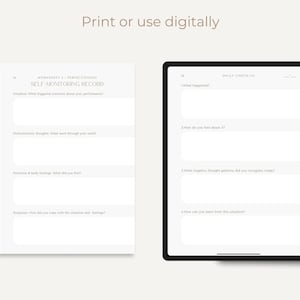
Cognitive Behavioral Therapy is a widely recognized form of psychotherapy that focuses on identifying and changing negative thought patterns. CBT Journal Prompts are designed to guide individuals through this process by prompting them to reflect on their experiences. These prompts can range from simple questions about daily events to more complex exercises aimed at challenging irrational beliefs. By engaging with these prompts regularly, individuals can develop a greater understanding of their mental processes and learn to reframe their thinking in a more positive light.

There are numerous benefits associated with using CBT Journal Prompts. One of the most significant advantages is the ability to track progress over time. By consistently recording thoughts and feelings, individuals can identify patterns and triggers that contribute to negative emotions. This awareness can lead to more effective coping strategies and improved emotional regulation. Additionally, journaling provides a safe space for self-expression, allowing individuals to process difficult experiences without judgment.
Another benefit is the enhancement of self-awareness. As individuals engage with CBT prompts, they become more attuned to their internal dialogue and how it influences their behavior. This heightened awareness can lead to increased mindfulness and a greater sense of control over one's mental state. Moreover, the act of writing itself can be therapeutic, offering a release for pent-up emotions and a means of organizing chaotic thoughts.
To better understand the significance of CBT Journal Prompts, it is essential to examine the key attributes and entities that define their effectiveness. These include:
Entities associated with CBT Journal Prompts include:
Incorporating CBT Journal Prompts into daily life does not require a significant time commitment. Here are some practical steps to get started:
By following these steps, individuals can create a meaningful journaling practice that supports their mental health and personal growth.
While CBT Journal Prompts are often used independently, they can also be a valuable tool in therapy. Therapists may incorporate these prompts into sessions to help clients explore their thoughts and emotions more deeply. However, some professionals may not emphasize their full potential due to various factors, including time constraints or a focus on other therapeutic techniques. Despite this, the value of CBT prompts in fostering self-awareness and emotional resilience is undeniable.
CBT Journal Prompts offer a powerful and accessible way to support mental health and personal development. Their structured approach, combined with the benefits of regular reflection, makes them a valuable resource for individuals seeking to understand and improve their emotional well-being. While some therapists may not highlight their full potential, the evidence of their effectiveness speaks for itself. By embracing CBT journaling, individuals can unlock new levels of self-awareness and empowerment in their lives.
Komentar
Posting Komentar