pada tanggal
journal prompt
- Dapatkan link
- X
- Aplikasi Lainnya
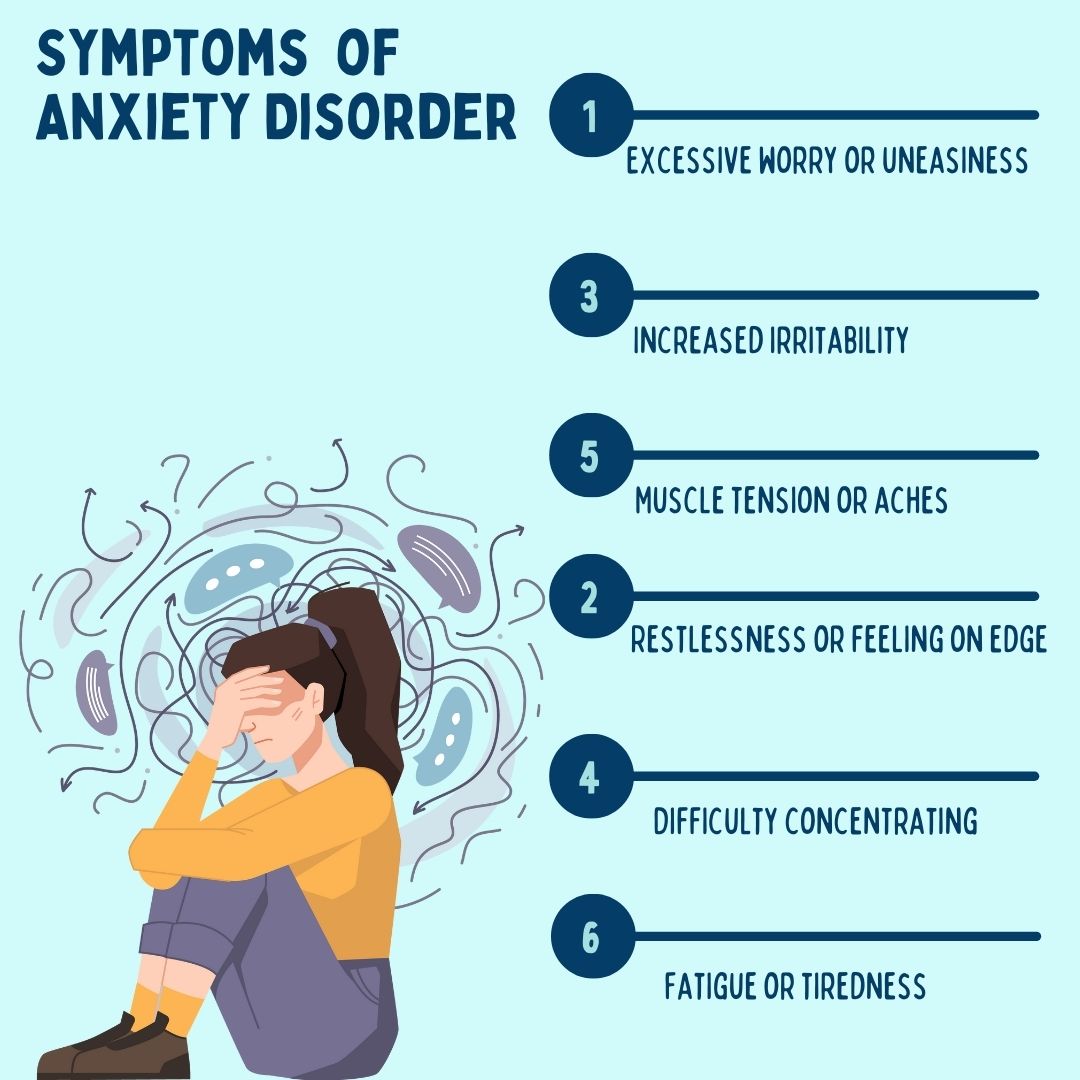
Anxiety can often feel like an unwelcome guest that shows up uninvited, disrupting the peace of your morning and setting the tone for the rest of the day. For many, the struggle to manage anxiety is not just a mental challenge but a physical one as well, affecting energy levels, focus, and overall well-being. However, there's a powerful tool that can help you regain control and start your day with a sense of calm and clarity: morning routine prompts. These simple yet effective exercises are designed to guide your thoughts, anchor your emotions, and create a positive foundation for the hours ahead. Whether you're dealing with mild stress or more severe anxiety, incorporating these prompts into your daily routine can be a game-changer.
Morning routine prompts are rooted in the principles of mindfulness and cognitive restructuring. By engaging in intentional reflection early in the day, you activate the prefrontal cortex, the part of the brain responsible for decision-making, emotional regulation, and self-awareness. This helps counteract the fight-or-flight response that often accompanies anxiety, allowing you to approach the day with a more balanced mindset. Research has shown that consistent morning practices can lead to long-term improvements in mood and mental resilience.
These prompts typically involve a combination of gratitude journaling, affirmations, breathing exercises, and goal-setting. Each element serves a specific purpose in promoting mental wellness. For example, gratitude journaling shifts your focus from what’s wrong to what’s right, while affirmations reinforce positive self-talk and build confidence. Breathing exercises, such as box breathing or diaphragmatic breathing, help regulate the nervous system and reduce physical symptoms of anxiety. Goal-setting, on the other hand, provides a sense of direction and accomplishment, which can be incredibly empowering.
Start by choosing one or two prompts that resonate with you. For example:
Gratitude Practice
Take a few minutes to write down three things you’re grateful for. These can be as simple as a good cup of coffee or a warm bed.
Tip: Keep a small notebook by your bedside to make it easier to jot down your thoughts first thing in the morning.
Affirmation Ritual
Repeat a positive affirmation to yourself, such as "I am capable of handling whatever comes my way today."
Tip: Use a mirror to look at yourself while saying the affirmation, reinforcing the message with visual confirmation.
Breathing Exercise
Try a 4-7-8 breathing technique: inhale for 4 seconds, hold for 7 seconds, and exhale for 8 seconds. Repeat this cycle several times.
Tip: Pair this with a calming background noise, like nature sounds or soft music, to enhance the relaxation effect.
Goal Setting
Write down one specific goal for the day. It could be as simple as making your bed or completing a task at work.
Tip: Break larger goals into smaller, manageable steps to avoid feeling overwhelmed.
| Prompt | Benefit |
|---|---|
| Gratitude Journaling | Shifts focus to positive aspects of life, improving mood and reducing stress. |
| Affirmations | Reinforces self-belief and reduces negative self-talk. |
| Breathing Exercises | Regulates the nervous system and promotes relaxation. |
| Goal Setting | Provides clarity, motivation, and a sense of accomplishment. |
By integrating these prompts into your morning routine, you can create a powerful habit that supports your mental health and enhances your quality of life. Remember, the goal is not to eliminate anxiety entirely but to develop tools that help you manage it more effectively. With time and consistency, you’ll find that starting your day with calm and clarity becomes second nature.
Komentar
Posting Komentar