pada tanggal
journal prompt
- Dapatkan link
- X
- Aplikasi Lainnya
Anxiety can be a heavy burden to carry, especially when the day's challenges pile up and leave you feeling drained. For many, the end of the day is a time to unwind, but for those dealing with anxiety, it can also be a moment of reflection that brings more stress than relief. Fortunately, journaling has emerged as a powerful tool to help manage anxiety, offering a safe space to process thoughts and emotions. End-of-day journal prompts are specifically designed to guide this reflection, helping individuals recharge their mental energy and refocus their mindset. These prompts encourage self-awareness, provide clarity, and create a sense of closure, making them an essential part of a daily wellness routine. Whether you're looking to reduce stress, improve sleep, or simply gain better insight into your emotional patterns, these prompts can make a significant difference in your overall well-being.
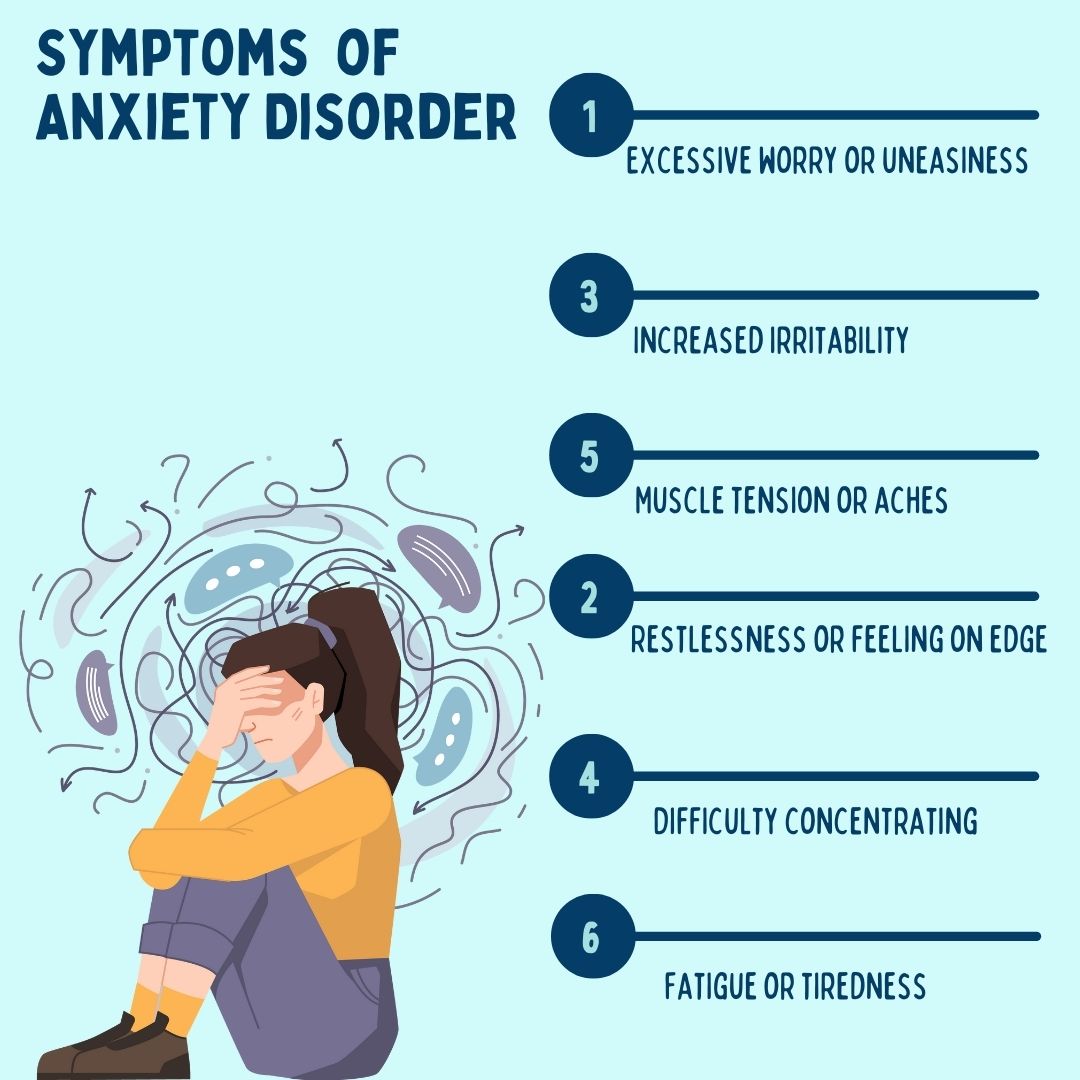
Journaling has long been recognized as a therapeutic practice, but its benefits for anxiety are backed by scientific research. Studies have shown that writing down thoughts and feelings can help regulate the brain’s emotional responses, reducing the intensity of anxious episodes. This process allows individuals to externalize their worries, making them easier to manage and understand. End-of-day journal prompts take this concept a step further by focusing on specific aspects of the day, such as gratitude, accomplishments, and areas for improvement. By consistently engaging in this practice, individuals can develop a more balanced perspective, which is crucial for managing anxiety.
One key aspect of effective journaling is the use of structured prompts that encourage introspection without overwhelming the writer. These prompts often focus on positive elements of the day, helping shift the mind away from negative thought patterns. Additionally, they provide a sense of accomplishment by highlighting small victories and progress. This not only boosts confidence but also reinforces a healthier mental state. As a result, using these prompts regularly can lead to long-term improvements in emotional resilience and overall mental health.
What did I accomplish today?
Reflecting on even the smallest achievements can foster a sense of pride and motivation. It helps reframe the day’s events, emphasizing growth over challenges.
What caused me stress today, and how did I handle it?
Identifying sources of stress and evaluating coping strategies can provide valuable insights. This prompt encourages self-compassion and a deeper understanding of personal triggers.
What am I grateful for today?
Gratitude journaling has been linked to improved mood and reduced anxiety. Focusing on positive aspects of the day can shift the mind toward optimism and resilience.
What can I do differently tomorrow?
This prompt promotes forward-thinking and problem-solving. It allows individuals to plan for future challenges while maintaining a proactive mindset.
How did I feel physically today?
Paying attention to physical sensations can reveal hidden stressors. Noticing tension, fatigue, or other bodily signals can lead to better self-care practices.
What advice would I give to someone else in my situation?
This exercise encourages empathy and objectivity. It helps individuals view their struggles from a different perspective, fostering greater self-awareness.
What did I learn today?
Learning from experiences, whether positive or negative, contributes to personal growth. This prompt reinforces the idea that every day offers opportunities for development.
What can I let go of tonight?
Letting go of past worries is essential for mental peace. This prompt helps release unnecessary burdens, promoting a sense of calm and clarity.
Using end-of-day journal prompts offers a range of benefits that extend beyond immediate stress relief. One of the most significant advantages is the promotion of mindfulness. By taking time to reflect on the day, individuals become more aware of their thoughts and emotions, leading to better emotional regulation. This heightened awareness can also improve decision-making and reduce impulsive reactions.
Another benefit is the development of a more positive mindset. Regularly acknowledging accomplishments and practicing gratitude can gradually shift the brain’s focus toward positivity. Over time, this can lead to increased resilience against anxiety and a more optimistic outlook on life. Additionally, journaling provides a sense of control, as individuals take active steps to manage their mental health. This empowerment can be incredibly reassuring, especially during times of uncertainty.
Furthermore, end-of-day journaling can enhance self-understanding. By consistently examining one’s experiences, individuals can identify patterns in their thoughts and behaviors. This insight can be invaluable for addressing underlying issues and making informed changes. Ultimately, these prompts serve as a tool for both healing and growth, helping individuals navigate anxiety with greater ease and confidence.
Incorporating end-of-day journaling into your routine doesn’t require a significant time commitment. Even 5 to 10 minutes of focused reflection can make a meaningful impact. The key is consistency, so finding a quiet, comfortable space where you can write without distractions is essential. Some people prefer to journal before bed, using it as a way to wind down and prepare for restful sleep. Others find it helpful to set aside a specific time after work or during a break.
To maximize the effectiveness of your journaling practice, consider using a dedicated notebook or a digital app that allows for easy tracking. Writing by hand can enhance the meditative aspect of the process, while digital tools offer convenience and organization. Regardless of the method, the goal is to create a habit that supports mental well-being. By making journaling a regular part of your day, you can build a stronger foundation for managing anxiety and improving overall quality of life.

Komentar
Posting Komentar