pada tanggal
journal prompt
- Dapatkan link
- X
- Aplikasi Lainnya
Anxiety can often feel like an invisible weight, pressing down on your thoughts and making it hard to find clarity or peace. For many, the struggle with anxiety is a daily battle, but there are tools that can help you regain control and build resilience. One such tool is daily journaling, which has been shown to be incredibly effective in managing stress and anxiety. By using specific prompts, you can create a safe space to explore your emotions, track patterns, and develop a deeper understanding of yourself. These journal prompts are not just exercises—they are lifelines that can guide you through the storm of anxiety and help you find calm in the chaos.
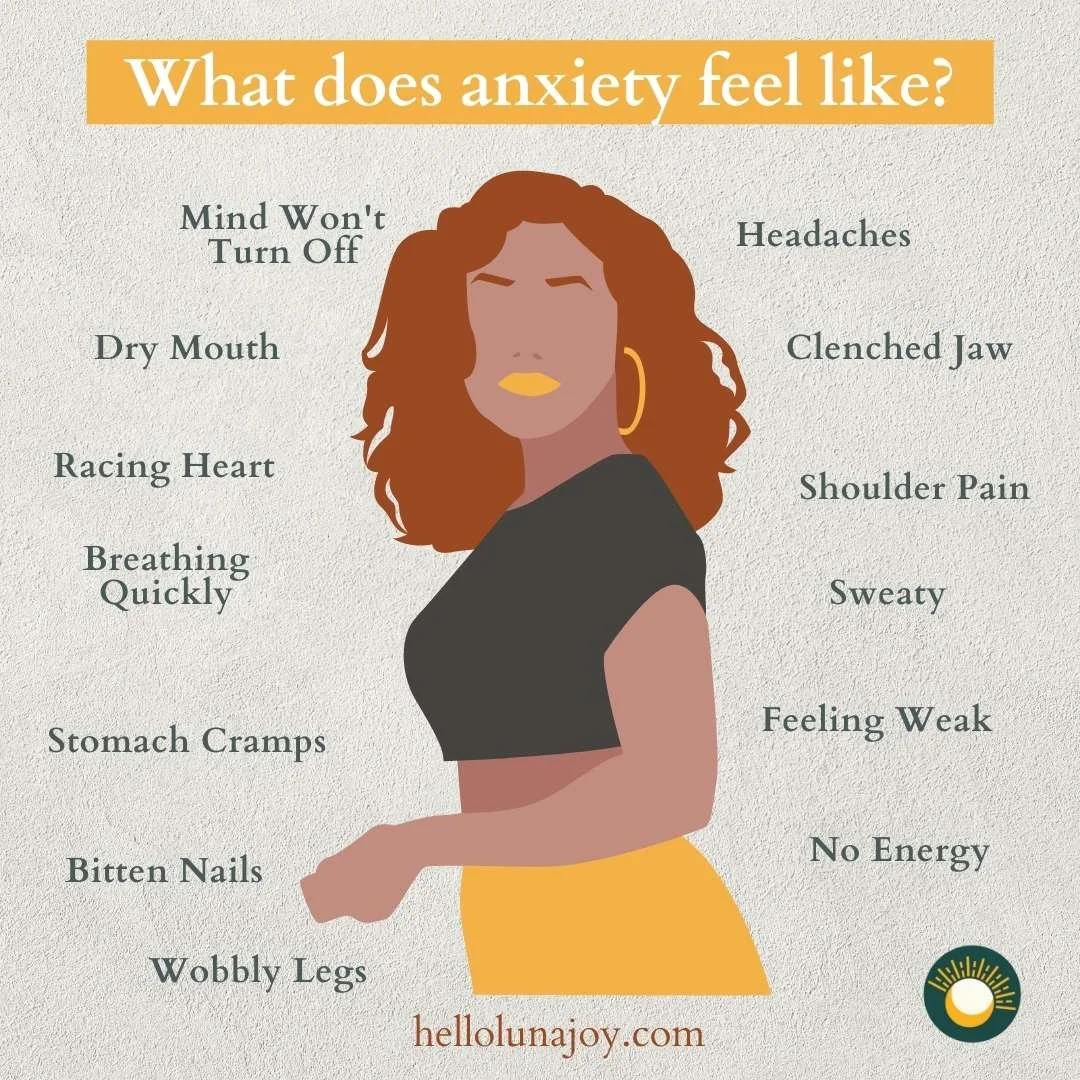
Journaling is more than just writing down your thoughts; it's a form of self-expression that can lead to emotional healing. When anxiety takes hold, it's easy to feel overwhelmed by racing thoughts and negative feelings. Writing them down can help you process these emotions in a structured way, allowing you to see things more clearly. Studies have shown that expressive writing can reduce symptoms of anxiety and improve overall mental well-being. By setting aside time each day to reflect on your experiences, you can begin to identify triggers, challenge unhelpful thinking patterns, and build a sense of empowerment over your emotions.
Daily journal prompts serve as a starting point for this process. They encourage you to focus on specific aspects of your life, such as gratitude, self-compassion, or problem-solving. This focused approach helps prevent overwhelm and makes the practice more accessible, even when anxiety feels intense. Over time, regular journaling can become a powerful habit that supports your mental health and fosters a greater sense of balance.
To fully understand how daily journal prompts can help manage anxiety, it's important to examine the key attributes and entities involved. These elements work together to create a supportive framework for emotional growth and self-awareness.
Attributes:
1. Emotional Awareness: The ability to recognize and understand your emotions is crucial for managing anxiety. Journaling helps you become more attuned to your feelings, allowing you to respond to them in a healthier way.
2. Self-Reflection: Regular reflection enables you to analyze your thoughts and behaviors, leading to greater insight and personal development.
3. Stress Reduction: Writing about your worries can reduce the intensity of anxiety, providing a sense of release and relief.
4. Mindfulness: Journaling encourages present-moment awareness, helping you stay grounded and focused rather than getting lost in anxious thoughts.
Entities:
1. Gratitude Practices: Focusing on what you're grateful for can shift your mindset from worry to appreciation, reducing anxiety.
2. Cognitive Restructuring: This involves identifying and challenging negative thoughts, replacing them with more balanced perspectives.
3. Emotional Release: Writing allows you to express difficult emotions without judgment, promoting emotional healing.
4. Routine Building: Consistency in journaling creates a habit that supports long-term mental well-being.
These attributes and entities combine to form a holistic approach to managing anxiety through daily journaling. By incorporating them into your routine, you can create a more resilient and peaceful state of mind.
Here are some daily journal prompts that can help you navigate anxiety and build a stronger connection with yourself:
Take a moment to name your emotions. Are you anxious, frustrated, or overwhelmed? Acknowledging your feelings is the first step toward healing.
What small thing brought me joy today?
Focusing on positive moments can shift your perspective and remind you that good things still exist, even during tough times.
What did I do today that made me feel proud?
Reflecting on your achievements, no matter how small, can boost confidence and counteract negative self-talk.
What is one thing I can do to take care of myself today?
Self-care is essential for managing anxiety. Whether it's taking a walk, practicing deep breathing, or getting enough sleep, prioritize your well-being.
What am I grateful for today?
Gratitude practices have been shown to reduce stress and increase happiness. Write down three things you’re thankful for, even if they seem minor.
What is one fear I have, and how can I face it?
Confronting fears can be empowering. Instead of avoiding them, explore ways to address them with courage and compassion.
What would I say to a friend who is feeling this way?
Treating yourself with the same kindness you’d offer a loved one can foster self-compassion and reduce self-criticism.
What is one thing I want to change about my mindset?
Identifying areas for growth can help you develop a more positive and resilient outlook.
What is one lesson I learned today?
Reflection helps you grow. Even difficult experiences can teach you something valuable if you take the time to process them.
What is one thing I will do tomorrow to support my mental health?
By using these prompts consistently, you can create a meaningful journaling practice that supports your mental health and helps you navigate anxiety with greater ease.
[IMAGE: Anxiety daily journal prompts life line]
Incorporating daily journaling into your routine can lead to significant improvements in your mental health. It provides a safe outlet for expressing emotions, helps you gain clarity, and builds a stronger connection with yourself. Over time, you may notice that your anxiety feels more manageable, and you're better equipped to handle stressors in your life.
The benefits of journaling extend beyond immediate relief. It can help you develop a deeper understanding of your thought patterns, improve your problem-solving skills, and enhance your overall well-being. With consistent practice, you'll likely find that you're more aware of your emotions, more compassionate toward yourself, and more empowered to make positive changes.
Remember, managing anxiety is a journey, and journaling is one of the most powerful tools you can use along the way. By embracing this practice, you're taking a proactive step toward healing and creating a more balanced, fulfilling life.
Komentar
Posting Komentar