pada tanggal
journal prompt
- Dapatkan link
- X
- Aplikasi Lainnya
Amazing Spring Journal Prompts to Transform Your 2nd Grader's Writing Skills Today! The arrival of spring brings a fresh energy and a sense of renewal, making it the perfect time to spark creativity in young writers. For second graders, journaling can be an exciting way to express thoughts, explore imagination, and develop essential writing skills. With the right prompts, children can transform their writing from simple sentences into vivid stories and reflections. These spring-themed journal prompts are designed to engage young learners, encourage self-expression, and make writing a joyful and meaningful activity. Whether your child is just beginning to write or looking for new ways to expand their abilities, these prompts offer a fun and effective approach to learning.

Spring offers a wealth of inspiration for young writers, from blooming flowers to the first signs of warmer weather. Using seasonal themes can help second graders connect their writing to the world around them, making the process more relatable and engaging. Here are some creative prompts that can help your child explore their ideas and improve their writing:
These prompts encourage children to use descriptive language, think critically, and practice organizing their thoughts. By regularly using such prompts, second graders can build confidence in their writing and develop a stronger voice.
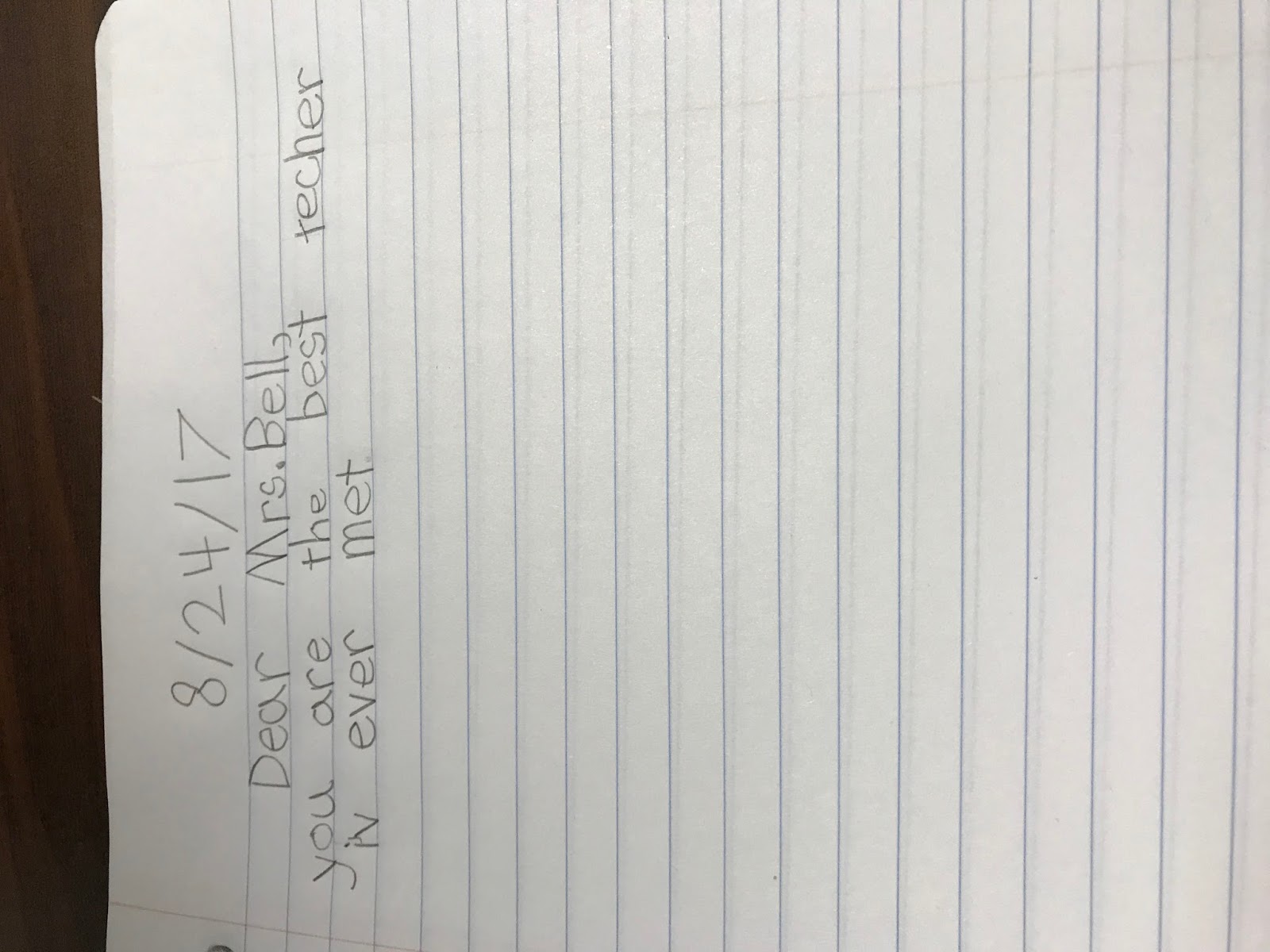
To get the most out of journal prompts, it’s important to create a supportive and encouraging environment. Here are some tips to help your second grader make the most of their writing time:
By following these strategies, parents and teachers can help children see writing as a fun and rewarding activity rather than a chore.
Regular journaling offers numerous benefits for young writers, including improved vocabulary, better sentence structure, and increased confidence. As children write about their experiences and imaginations, they naturally begin to experiment with words and ideas. This process helps them understand how to express themselves clearly and effectively. Additionally, journaling allows children to reflect on their thoughts, which can enhance their emotional development and critical thinking skills.
Here are some key benefits of journaling for second graders:
One of the most valuable aspects of journaling is its ability to connect writing to real-life experiences. By asking children to write about things they see, hear, or feel, they begin to understand the relevance of writing in their daily lives. This connection not only makes writing more meaningful but also helps children develop a lifelong habit of reflecting and expressing themselves.
For example, a prompt like “What did you learn today?” encourages children to think about their day and articulate their thoughts. Another prompt, “If you could visit any place in the world, where would you go and why?” allows them to explore their interests and dreams. These activities help children see writing as a tool for communication and exploration, rather than just a school assignment.
When exploring spring journal prompts for second graders, several attributes and entities come into play. Understanding these elements can help educators and parents choose the most effective prompts for their children.
Attributes:
1. Creativity – Encouraging imaginative thinking through open-ended questions.
2. Engagement – Keeping children interested and motivated to write.
3. Developmental Appropriateness – Ensuring prompts match the reading and writing level of second graders.
4. Emotional Expression – Allowing children to share feelings and experiences.
Entities:
1. Seasonal Themes – Using spring-related topics like flowers, rain, and animals.
2. Imaginative Scenarios – Prompting children to think about fictional or hypothetical situations.
3. Personal Reflections – Encouraging children to write about their own lives and thoughts.
4. Educational Goals – Focusing on specific writing skills like sentence structure and vocabulary.
| Attribute | Entity | Description |
|---|---|---|
| Creativity | Imaginative Scenarios | Prompts that encourage children to think beyond reality and explore their imagination. |
| Engagement | Seasonal Themes | Using spring-related topics to make writing relevant and interesting. |
| Developmental Appropriateness | Personal Reflections | Prompts that align with the cognitive and linguistic abilities of second graders. |
| Emotional Expression | Educational Goals | Encouraging children to express emotions while also practicing writing skills. |
By incorporating these attributes and entities, educators and parents can create a rich and meaningful journaling experience for second graders. This approach not only supports academic growth but also fosters a love for writing that can last a lifetime.
Komentar
Posting Komentar